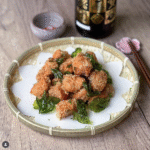
I’ve always loved Taiwanese Salt and Pepper Chicken, so I gave it a twist with salmon — and to my delight, the flavours paired surprisingly well.

That’s why I chose this dish as the very first recipe to share on my site. It may not be the flashiest, but it carries a story that reminds me how this journey began.

Building a website once felt like a passing thought, quietly tucked away at the back of my mind. Then Covid came — a season that meant cooking more at home became a necessity. Over time, it also became something I truly enjoyed, as I experimented with recipes and began sharing them on Instagram.

That’s when Fassler Gourmet, a Singapore-based seafood distributor, discovered my food content. Their encouragement became a turning point in my journey as a home cook and recipe creator.

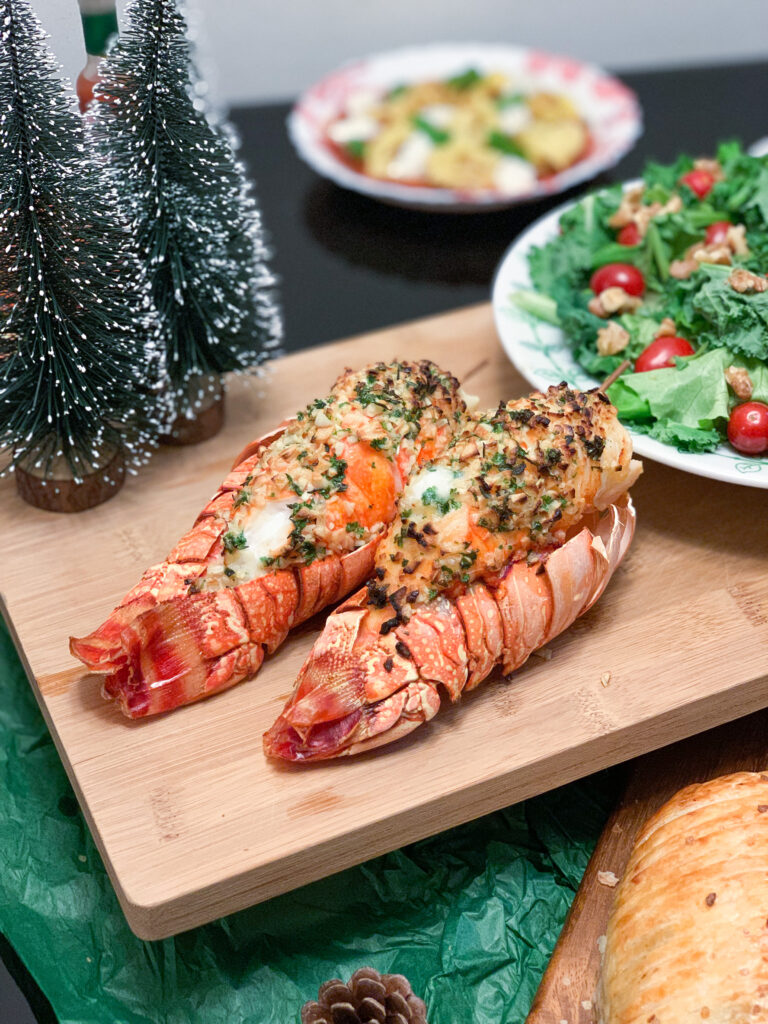
Our collaboration was simple: they supplied the seafood, I developed unique recipes, and they shared my creations on their platforms, always with credit. For nearly two years, this partnership inspired me to create original, visually-driven seafood dishes and gave me the confidence to pursue something I never imagined — sharing my recipes online.

Though I eventually paused due to work, the spark that Fassler lit continues to fuel my creative journey today. I remain grateful they saw potential in me, turning a quiet idea into a tangible space where I can now share recipes, food stories, and kitchen creations with anyone who finds comfort and connection through food.

Salt and Pepper Fish 盐酥鱼

Course: Appetizer
Cuisine: Chinese
Servings: 3

Ingredients

  • 300 g salmon cut into bite-sized pieces
  • 2 tbsp soy sauce
  • 1/2 tbsp minced garlic
  • 1 tsp five-spice powder
  • 3 tbsp tapioca starch
  • 20–30 pcs basil leaves

Salt Pepper Seasoning

  • 1 1/2 tsp salt
  • 1 tsp white pepper
  • 1 tsp five-spice powder
  • 1/2 tsp castor sugar

Instructions

  • Cut the salmon into bite-sized pieces (about half the size of a nugget) and ensure all pieces are roughly the same size.
  • Combine soy sauce, minced garlic, and five-spice powder. Pour over the salmon and mix well to coat. Marinate for at least 30 minutes.
  • Add tapioca starch to the salmon and coat each piece evenly.You should see uneven, lumpy bits on the surface—that’s the texture we want!
  • Deep-fry the salmon at 175°C until lightly browned. Remove from oil.
  • Increase the temperature, and fry a second time until golden brown and crispy. Remove and drain.
  • Turn off the heat and use the residual oil to fry the basil leaves until crispy, about 10 seconds. ⚠️ Note: Stay alert and keep a safe distance — the moisture in the leaves may cause the oil to splatter.
  • Place the fried salmon and crispy basil leaves in a large bowl. Sprinkle with salt and pepper seasoning and gently toss until the salmon is evenly coated.
  • Serve immediately while hot and crispy.

Notes

I used a Taiwanese brand called 【日正】地瓜粉 (sweet potato starch) for its signature lumpy, crispy texture.
Thai basil adds a punchier flavour if you prefer a stronger herbal note.

Join My Mailing List

Join over 10k subscribers

By submitting above, you agree to our privacy policy.
Share this post: