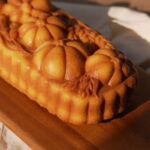
French Butter Cake
Baking is not really my strength, but this French Butter Cake took years of tweaking to get just right. More almond flour, less sugar, and good French butter. Every bite is dense, rich, and deeply buttery.
Equipment
- Hand mixer or Stand mixer
Ingredients
- 220 g French butter salted or unsalted, your preference
- 190 g caster sugar
- 180 g blanched almond flour
- 80 g plain flour
- 1 tsp baking powder
- 6 eggs approximately 63g each, room temperature
- 2 tbsp milk optional
- 1 tsp vanilla extract or vanilla essence optional
Instructions
- Preheat the oven to 170°C.
- Prepare and measure all ingredients before starting.
- Combine the plain flour and baking powder and sift together. Almond flour does not need to be sifted.
- Cut the butter into large cubes.
- Grease the cake pan with the remaining butter and set aside.
- Place the butter and sugar into a mixing bowl.
- Beat on low speed until the butter and sugar begin to come together, then increase to medium speed. Beat until the mixture is pale yellow. Scrape down the sides of the bowl as needed to ensure everything is evenly mixed.
- Add the eggs one at a time, mixing well after each addition.
- Add the milk and vanilla extract. Mix well.
- Add the plain flour and almond flour. Beat on low speed until just incorporated.
- Pour the batter into the prepared pan. Run a skewer through the batter and tap the pan firmly on the counter to remove air pockets.
- Bake between 45 - 50 minutes, adjusting the timing according to your oven.
- Test for doneness by inserting a skewer into the centre of the cake. If it comes out clean, the cake is ready.
- Remove from the oven and cool on a wire rack before serving.
Notes
- This recipe yields approximately 5.5 cups of batter and makes a cake of about 1kg. It fits perfectly in a 6-cup capacity bundt pan (30.8cm W x 7.3cm H x 14cm D) or a standard square baking tray (20cm x 20cm x 5cm).
- Oven temperature: Every oven is different, you know yours best. If you are using a Nordic Ware bundt pan, reduce the temperature by about 10°C to prevent the cake from over-browning.
- Butter: The butter should be at room temperature, soft enough to indent with a finger, but not so soft that it spreads on its own.
- Eggs: I keep my eggs refrigerated to maintain freshness. Take them out at least one hour before baking, as this recipe requires room temperature eggs. Adding them one at a time helps the eggs incorporate evenly into the batter, and gives you a chance to spot any bad eggs along the way, just in case.
- Bundt pan vs standard baking tray: For me, it is all about presentation. The bundt pan does all the work aesthetically. If you are using a traditional bundt pan, grease it well and dust with a thin layer of flour to help with unmolding. You can skip the flour if you are using a non-stick pan. I personally swear by Nordic Ware! For a standard baking tray, simply grease it or line with parchment paper.
- Storage: This is a rich cake that keeps well at room temperature for one day. Store any leftovers in the refrigerator from the second day onwards.
- Serving: If you prefer your cake warm, heat it briefly in a toaster oven or microwave before serving, especially if it has been stored in the refrigerator.